
If you own or manage a restaurant, you’ve felt it: fewer guests lingering in your dining room, more orders heading out the door for pickup or delivery. And you instinct is right: according to the National Restaurant Association, nearly 75% of all restaurant traffic now happens off-premises—through takeout, drive-thru, curbside pickup, or delivery services.
Of course, that figure includes quick-service brands, ghost kitchens, and delivery-only concepts, which naturally skew the percentage higher. But even traditional full-service, sit-down restaurants have seen a significant shift. Before 2020, off-premises sales typically accounted for around 20% of revenue for many full-service operators. Today, that number is closer to 30% or more in many markets.
In other words, off-premises dining isn’t a trend anymore. It’s a permanent part of the business model. But the real question is this: What does that mean for your customer experience?
Convenience Wins Transactions, Experience Wins Loyalty
Off-premises dining thrives on convenience. Customers order from their couch, eat at home, and avoid the hassle of traveling or waiting for a table. Sure, that makes takeout more efficient. And that’s easier, too. But it’s also transactional.
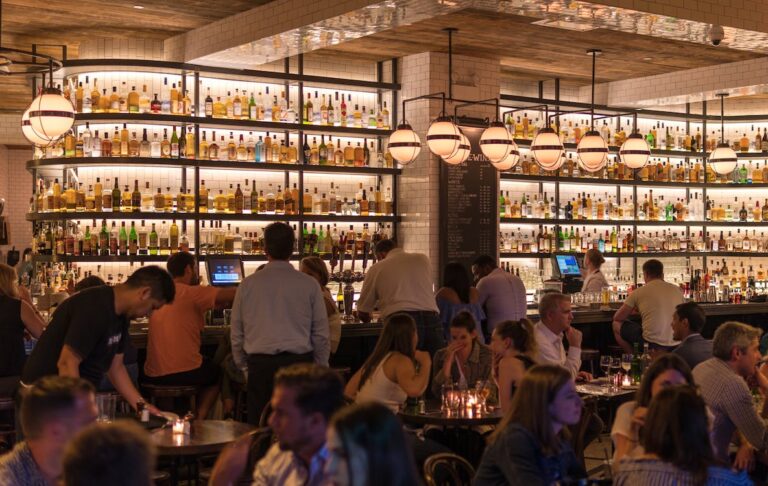
When guests choose to dine in, they’re choosing qualities that delivery apps and ghost kitchens can’t replicate: hospitality. Atmosphere. Personal connection. The opportunity to be seen, heard, and cared for. There’s a key lesson in this: if your in-person experience is average, customers will default to convenience. If your in-person experience is exceptional, customers will make the effort to visit.
Maybe you’re wondering whether serving them in the restaurant is worth the effort. When they do dine in, they’re more likely to:
- Order appetizers or desserts
- Say yes to premium upgrades
- Stay longer and increase check averages
- Recommend you to friends
Off-premises may drive volume. But on-premises dining drives relationship and revenue depth. That means your goal should be to make the in-person experience compelling enough to compete with the couch.
Takeout Still Has a Service Opportunity—Don’t Waste It
Even with the rise of online ordering, a meaningful percentage of guests still place orders by phone and interact with your team at pickup. These moments are easy to overlook, but those interactions shape perception just as much as a dine-in visit. Think about it:
- Is your team friendly and patient on the phone?
- Do they speak clearly and confidently about menu items?
- Are pickup guests greeted promptly when they walk in?
- Is the order accurate, organized, and packaged professionally?
A rushed or indifferent tone over the phone can undo your branding efforts. On the flip side, a warm and competent interaction can turn a one-time takeout guest into a repeat customer. Off-premises dining doesn’t eliminate service. It simply shifts where service happens.
Consistency Is Now a Competitive Advantage
When dining happens across multiple channels—in-house, curbside, delivery, phone—consistency becomes more difficult. And more important.
Your guests don’t see “channels.” They see one brand. If your dine-in service is polished but your takeout experience is chaotic, customers won’t separate the two.
Ask yourself:
- Are your hospitality standards clearly defined for every interaction?
- Do you train staff on how to handle phone orders with the same care as table service?
- Do managers observe and coach pickup interactions, or only dining room performance?
In a world where customers can compare you to dozens of options in seconds, reliability and professionalism stand out.
Don’t Compete with Convenience
You’re not going to out-convenience national chains with massive tech budgets. And you don’t need to because service is what determines whether they come back.
So, focus on what you control:
- Efficient, well-organized pickup processes
- Clear communication about wait times
- Staff who treat every guest—even the quick in-and-out pickup customer—with respect
And here’s the key: exceptional service makes customers more forgiving of small inconveniences. When guests feel valued, they’re willing to wait a few extra minutes. When they feel ignored, even perfect timing won’t save the experience.
Measure What’s Actually Happening
You may assume your takeout process runs smoothly. You may believe your phone etiquette is strong. You may feel confident that your dine-in service is compelling enough to compete with off-premises options. But assumptions don’t protect revenue.
If off-premises now accounts for 30% (or more) of your business, that channel deserves the same scrutiny as your dining room. Are orders accurate? Are greetings warm? Are employees confident and knowledgeable? Is the experience consistent across shifts?
Mystery shopping across dine-in and takeout scenarios can reveal whether your excellence is systemic—or dependent on a few strong team members. Because if three out of four restaurant interactions industry-wide are happening off-premises, you can’t afford to ignore what happens outside the dining room.
“Check Please”
Off-premises dining isn’t the enemy of full-service restaurants. It’s a wake-up call. Customers want convenience, but they still crave experience. They want efficiency, but they remember how you made them feel.
If you elevate service both inside your restaurant and at every off-premises touchpoint, you don’t have to compete on price or technology alone. You compete on hospitality.
If you’d like to evaluate how your restaurant performs across dine-in, takeout, and phone interactions, partner with The Brandt Group. With over 30 years of experience and an A+ rating from the Better Business Bureau, our mystery shopping programs and leadership training seminars help restaurants strengthen customer loyalty, boost employee confidence, and ultimately increase profits.
Let’s make sure your service stands out—wherever your customers choose to dine.


Recent Comments